
Some recommendations need a sentence of context because a show’s central pleasure sits beside material a friend may not want. That does not make the work a bad choice. It makes “you would like this” more useful when you say what it asks the viewer to sit with.
Do they want violent action driven by everyday desires?
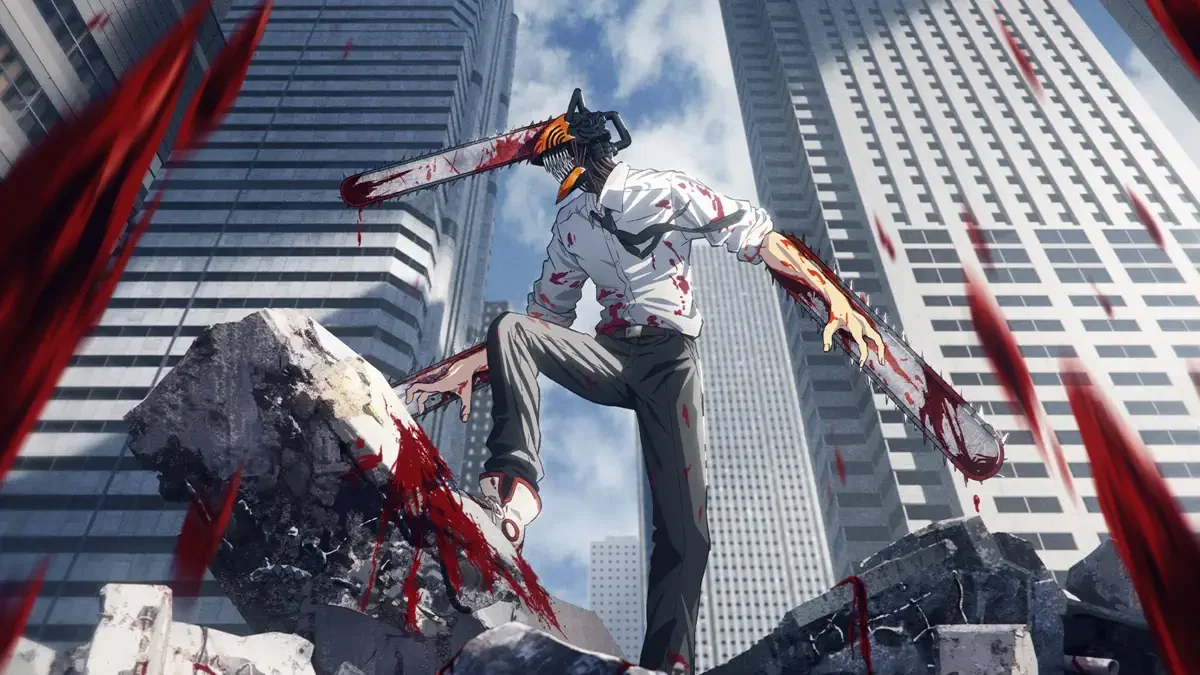
Chainsaw Man
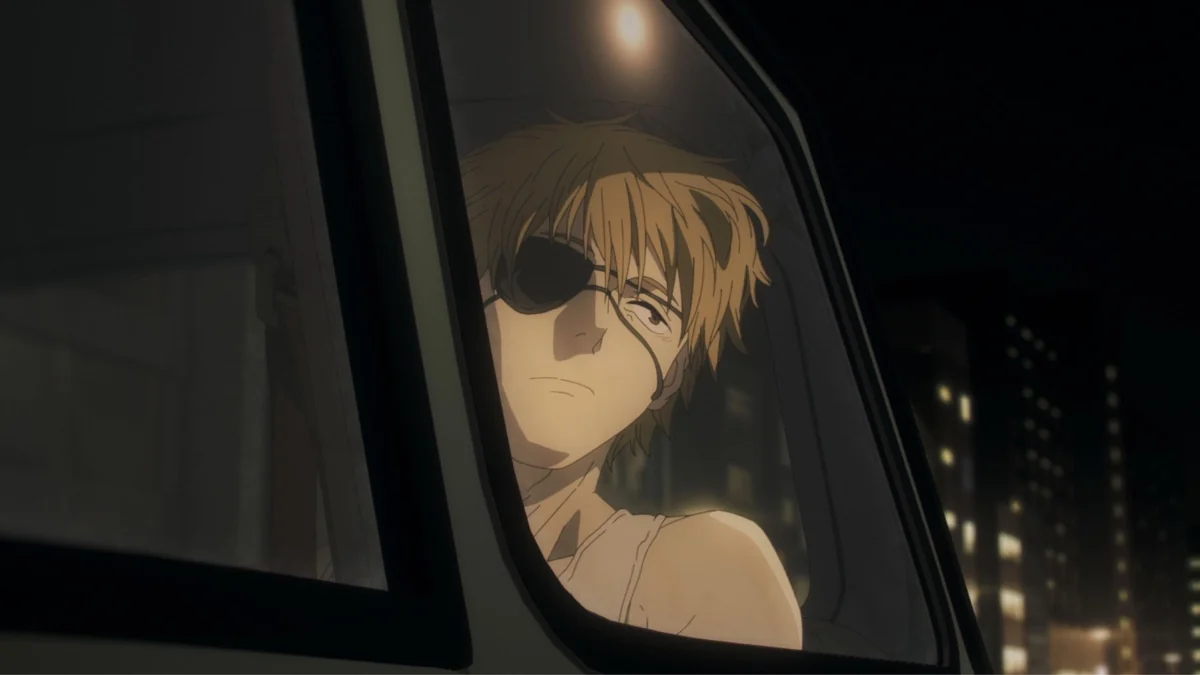
The first television series puts small desires beside extreme violence. Image credits
Chainsaw Man
© 2022 Tatsuki Fujimoto / Shueisha, MAPPA Licensed by Crunchyroll, LLC. All Rights Reserved.
Image sourceDenji’s poverty and his bond with the devil Pochita set up a devil-hunting story with an unusually ordinary want: a more comfortable life. Pochita is his partner in dangerous work, and even food and shelter count as substantial ambitions. His chainsaw transformation makes that contrast grotesquely literal: he must do something monstrous to gain ordinary comforts.
Why try it: Recommend Chainsaw Man to someone who likes abrasive action beside mundane character moments.
Keep in mind: Warn them specifically: the BBFC notes strong bloody violence and gore, injury detail, sexual references and language. Denji’s sexualised ambitions are part of the early characterisation, so it is not a clean fit for someone avoiding that material.
Do they like supernatural firefighting with shonen excess?
Fire Force
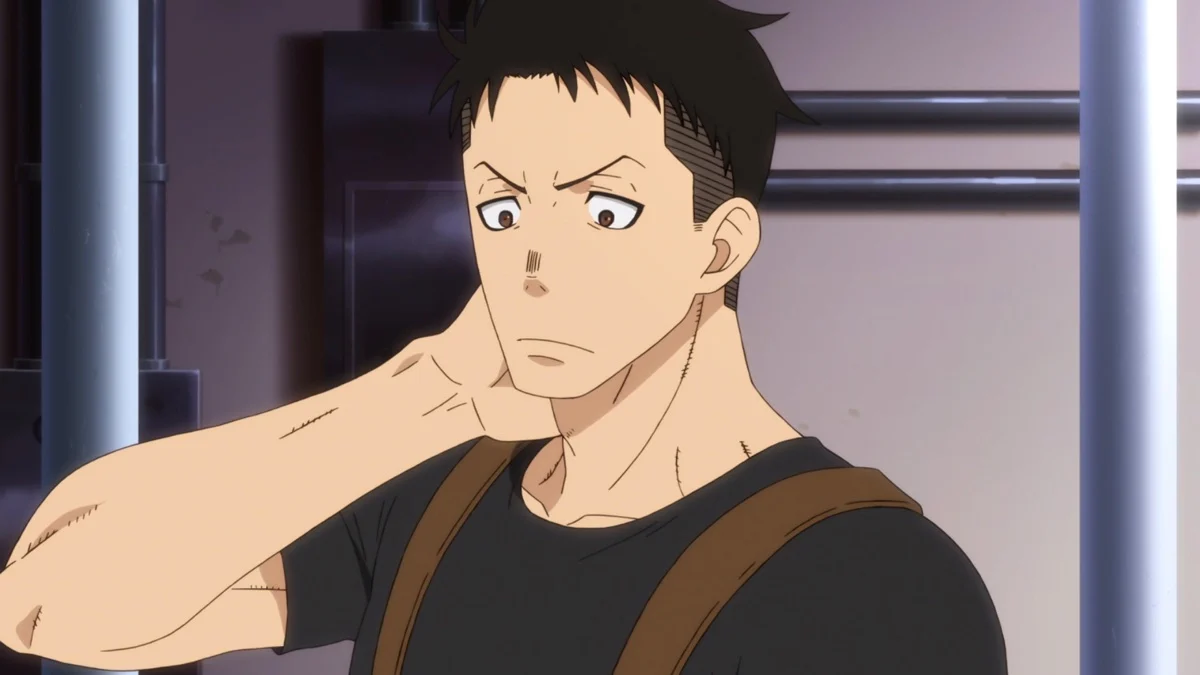
The fire brigade makes rescue part of the supernatural action. Image credits
Fire Force
© 2019 Atsushi Ohkubo / Kodansha / Fire Force Production Comittee
Image sourceShinra joins a special fire brigade investigating spontaneous human combustion. Firefighters have to help victims as well as fight dangerous transformations; rescue and trust in the brigade matter alongside the battles. Critic Caitlin Moore’s three-episode Anime Feminist review praises the distinctive design and fights while objecting to the adaptation’s sexualised treatment of female characters.
Why try it: Stylised fire powers and the squad’s inventive battles are its main attractions.
Keep in mind: Give a direct warning about recurring fanservice, especially the sexualised slapstick involving Tamaki. A viewer can enjoy the squad’s inventiveness while finding those interruptions alienating. Say so before choosing it for someone who wants action without sexualised comedy.
Can they handle an explicit opening?
Goblin Slayer
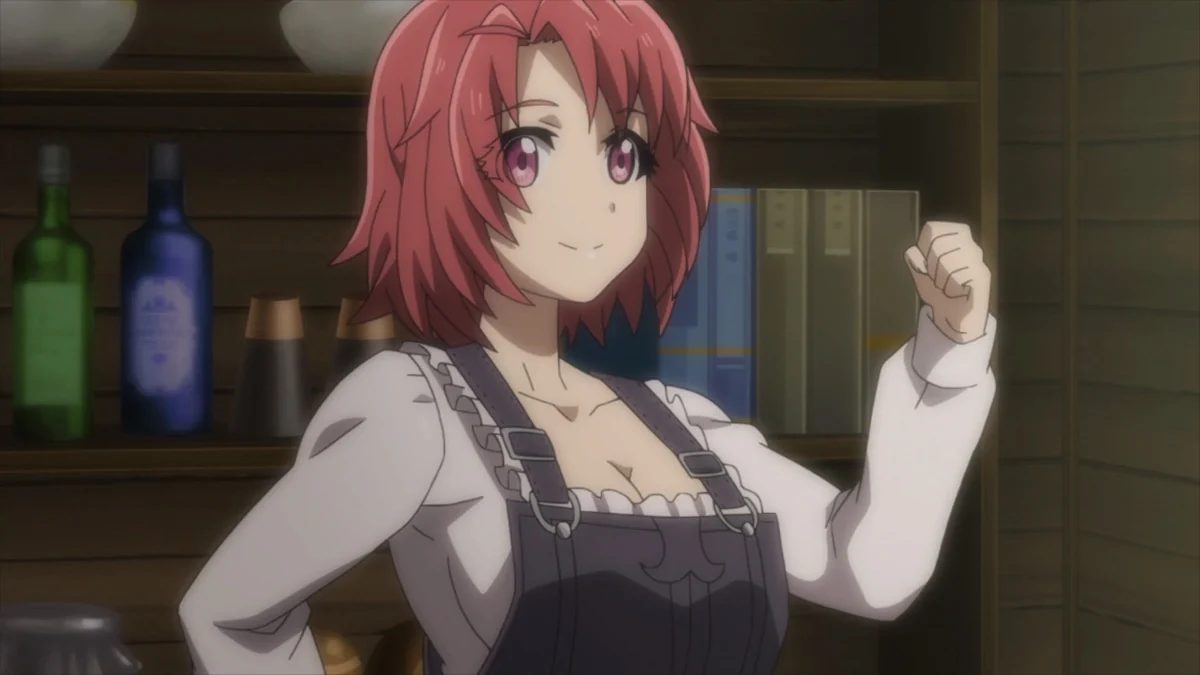
The opening’s inviting character designs do not prepare you for its sexual violence. Image credits
Goblin Slayer
©蝸牛くも・SBクリエイティブ/ゴブリンスレイヤー製作委員会
Image sourceThe series follows a new adventuring party and a silver-ranked specialist who focuses on goblins. Its narrow focus on goblins makes careful preparation more important than the glamour of an ever-larger quest. The opening nevertheless includes explicit sexual violence.
Why try it: This may suit someone seeking grim fantasy combat and a protagonist who treats preparation as survival.
Keep in mind: The opening contains sexual violence, not just implied peril; the warning should come before the first episode, not after. If that is outside their limits, choose another fantasy adventure.
Do they want romance that resists a comforting fantasy?
Scum’s Wish
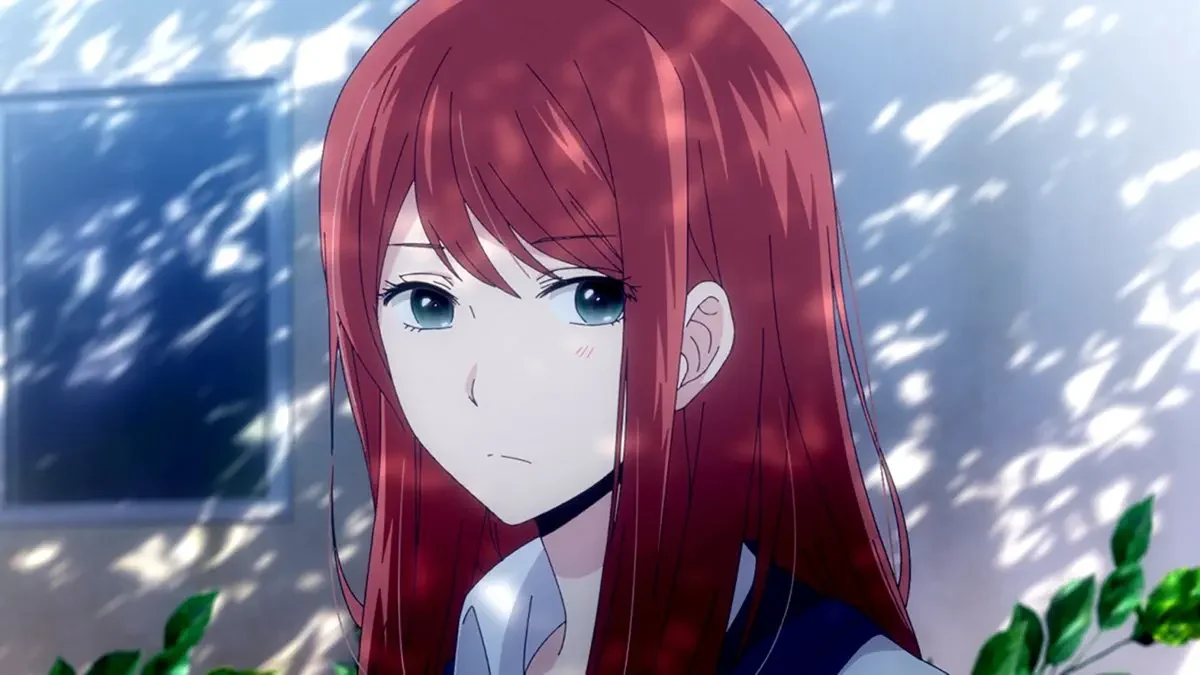
Attractive surfaces accompany a story of difficult, unequal attachments. Image credits
Scum's Wish
(C)横槍メンゴ/SQUARE ENIX・「クズの本懐」製作委員会
Image sourceHanabi and Mugi begin a relationship while each is in love with someone else. Their arrangement offers physical closeness without solving the attachments that brought them together; Anime Feminist critic Bryn Matthews describes a story that deliberately works against the expected rewards of a fake-relationship romance. That distinction is useful when choosing: emotional discomfort is central to the drama, rather than an occasional interruption of an otherwise reassuring romance.
Why try it: Desire and loneliness drive an intimate drama about relationships that fail to resolve either.
Keep in mind: The leads are high-school students, and sexual frustration and sexual situations are part of the premise. It is a poor recommendation for someone asking for uncomplicated romance or adult protagonists.
Sources
Linked sources contain later story details.