
A boy cannot use magic in a world that values it, so he picks up a sword. Put the openings of Wistoria: Wand and Sword and Black Clover into that sentence and the comparison seems almost finished. It becomes more interesting when somebody has to decide whether the sword counts.
Will Serfort needs recognition within a magic academy. Asta wants to become Wizard King in a kingdom where magic and birth help establish status. Neither lacks useful ability. Each has trouble getting a different kind of ability accepted by people who have already decided what talent should look like.

Image credits
Wistoria: Wand and Sword
©大森藤ノ・青井 聖・講談社/「杖と剣のウィストリア」製作委員会
Image sourceWhy does Will need more than a successful fight?
Will’s written work is strong, but he cannot demonstrate even an elementary spell. Dungeon expeditions provide a route to credits through the sword skills he does possess. The problem is therefore built into his timetable: he needs a different way to satisfy an institution whose preferred method is unavailable to him.
Edward gives that conflict a person and a position of authority. A fellow student can insult Will; a teacher can help determine whether his alternative competence receives recognition. The early challenge does not reduce prejudice to a mistake that a single impressive action automatically repairs.
Will’s ambition also has a destination outside the grade book. His childhood friend Elfaria has become one of the Magia Vander, the five foremost mages, and he wants to keep their promise to stand together. Academic recognition controls access to somebody and somewhere he wants to reach.
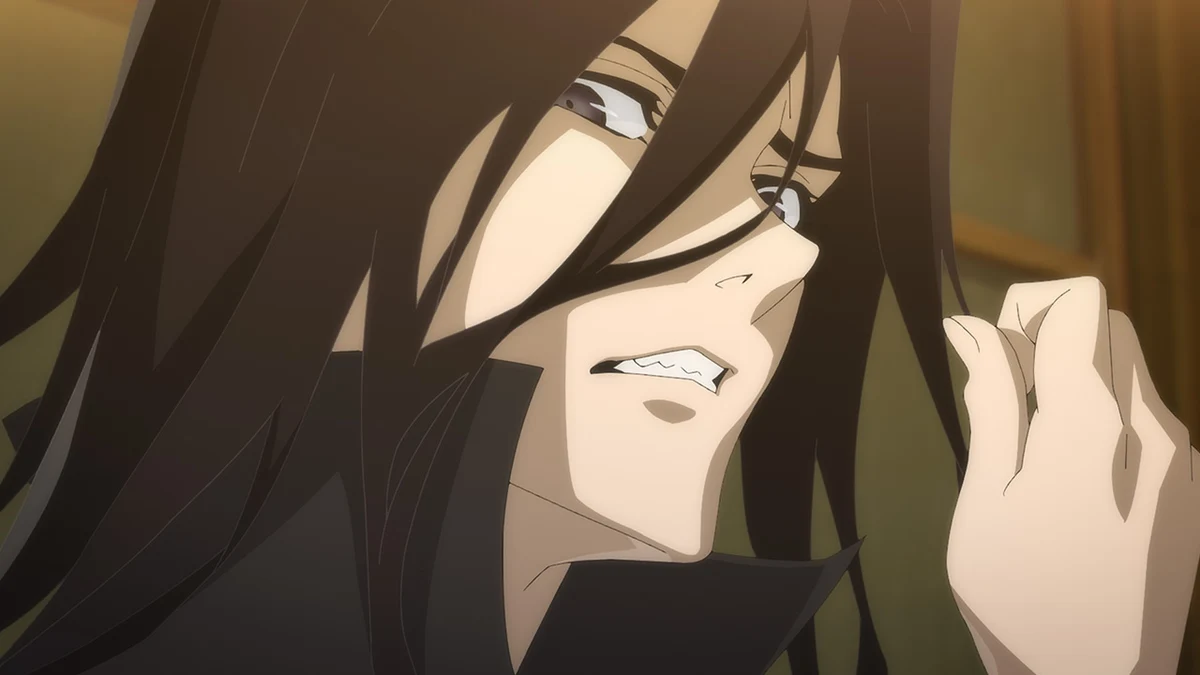
Image credits
Wistoria: Wand and Sword
©大森藤ノ・青井 聖・講談社/「杖と剣のウィストリア」製作委員会
Image sourceWhat does Asta’s sword challenge instead?
The Clover Kingdom values magical ability within an existing hierarchy of royalty, nobles, commoners and peasants. Asta and Yuno come from the same remote church upbringing. Their shared ambition to become Wizard King therefore challenges an expectation about where important people are supposed to come from.
The boys’ different gifts complicate that shared position. Yuno has extraordinary wind magic. Asta cannot cast a spell, but his opening grimoire supplies anti-magic through a sword. Calling him powerless would miss the very thing that makes his situation disruptive: he can interfere with the ability everyone else is using to judge power.
Asta’s limitation and Will’s are consequently not interchangeable. Will brings physical swordsmanship into a magical course of study. Asta’s sword changes what happens when it meets magic. Both need strength and effort, but the fantasies attach different possibilities to the weapon in their hands.
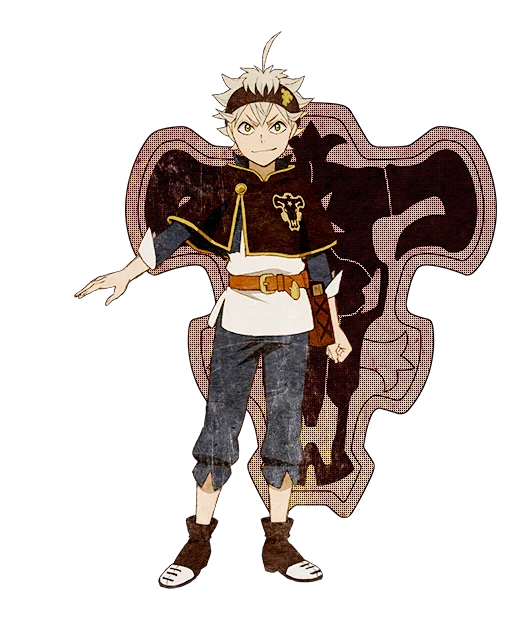
Image credits
Black Clover
© 田畠裕基/集英社・テレビ東京・ブラッククローバー製作委員会
Image sourceWhy compare the gatekeepers as well as the heroes?
An outsider story needs more than a disadvantage. Someone or something must decide what that disadvantage prevents. Credits and teacher approval make Will’s obstruction immediate and administrative. The Magic Knights and the Wizard King ambition place Asta within a wider contest over recognised strength and social standing.
That difference also changes the value of a friend or rival. Elfaria makes Will’s distant rank personal. Yuno shares Asta’s destination while possessing the conventional gift Asta lacks. The relationship does more than provide a talented person for the protagonist to catch.
A Wistoria comparison thread contains both ranking arguments and readers objecting that the worlds and motivations differ. The latter objection suggests a better use of the resemblance. It can help identify what each setting rewards, rather than decide which hero deserves to exist.
The swords make the two boys easy to put side by side. The institutions make the comparison worth continuing. Being capable is one problem; persuading the people who control your future that your capability should count is another.
Sources
Linked sources contain later story details.