
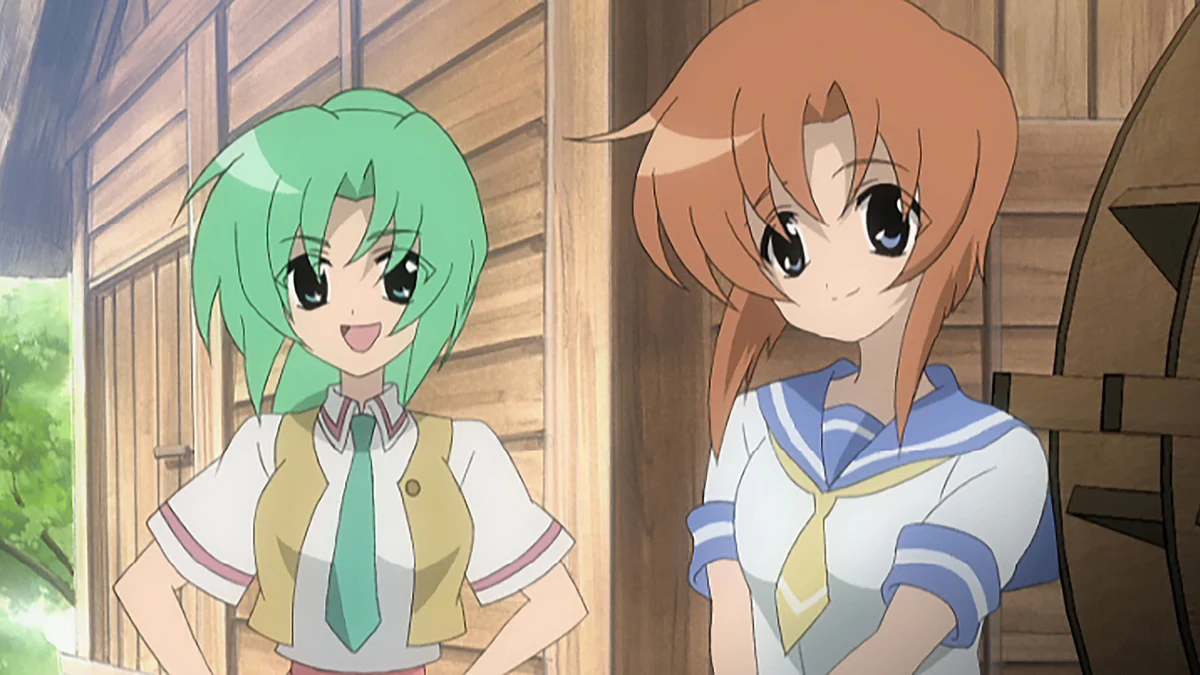
For a first encounter with Higurashi, start with the 2006 television series, then Kai. Watch the original story before GOU. Despite its familiar opening and newer artwork, GOU tells a new story; SOTSU continues it.
That distinction is enough to choose safely. Explaining exactly how the new story differs would give away some of the discovery this advice is meant to protect.
Why is the opening easy to misread?
The initial situation is recognisable across the franchise. Keiichi has moved to rural Hinamizawa, where school friends and club games offer companionship. The annual Watanagashi festival connects that inviting everyday life with a disturbing local history.
Those shared ingredients are not proof that two adaptations are interchangeable. A new production can return to a place, a cast and a starting situation while doing different things with the viewer’s knowledge. A catalogue thumbnail cannot explain that relationship on its own.
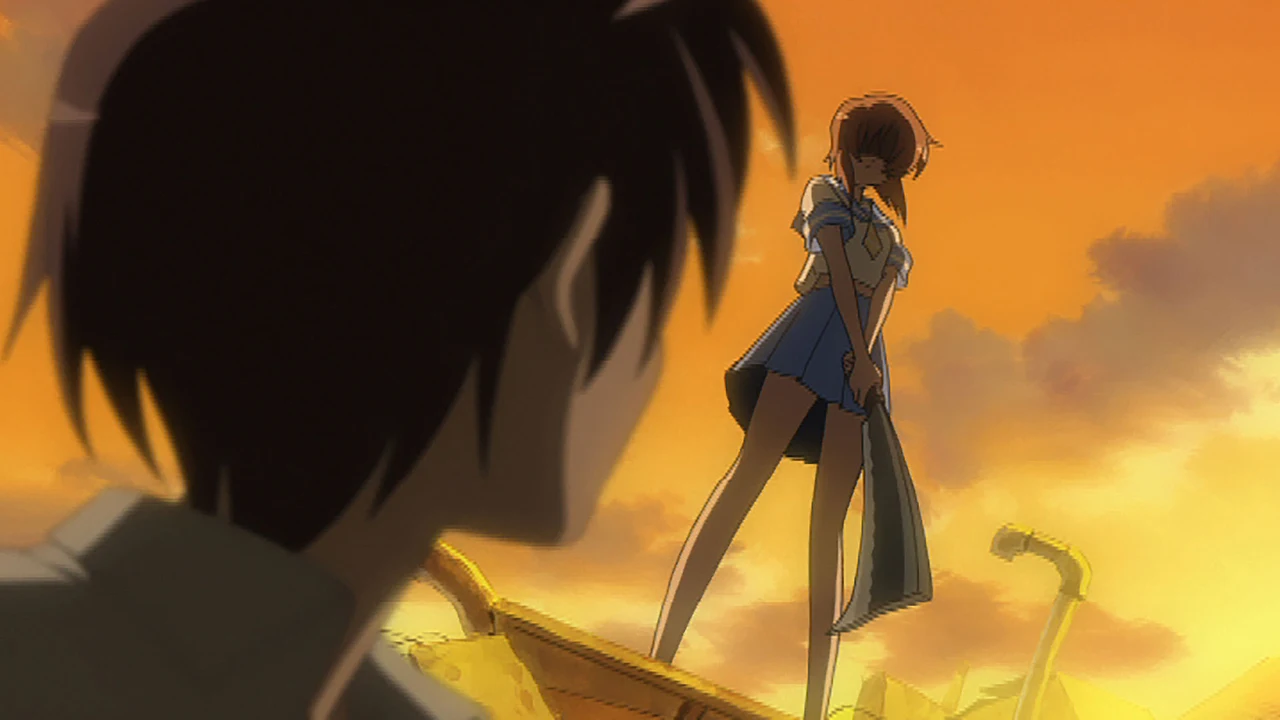
Image credits
Higurashi: When They Cry (original television anime)
©2006竜騎士07/ひぐらしのなく頃に製作委員会
Image sourceIn an interview on the official anime site, creator Ryukishi07 explicitly describes GOU as a new story rather than a remake. He discusses using a familiar opening to conceal a different story. The interview itself is full of later revelations, so it is a useful source to consult after viewing, rather than a safe introduction for a newcomer.
What is the straightforward original route?
Watch the original Higurashi no Naku Koro ni from 2006, 26 episodes, then Higurashi no Naku Koro ni Kai from 2007, 24 episodes. That is a 50-episode original television route. Rei is a separate five-episode follow-on OVA, not another title for Kai.
Our original-cycle profile includes all three editions in its 55-episode commitment. The number is therefore larger than the two main television runs, not evidence that a provider has omitted five episodes from the first series.
The useful habit is to read the full edition name before pressing play. “When They Cry”, “Higurashi”, a season number and a platform’s folder order may not tell you which production you have selected. Check the year and subtitle together.
Where do GOU and SOTSU go?
Treat GOU and SOTSU as a later pair: 24 episodes followed by 15. They are separate productions, not seasons to slip between the original series and Kai. Returning to them after the original mystery gives the repeated setting a history for you as well as for the franchise.
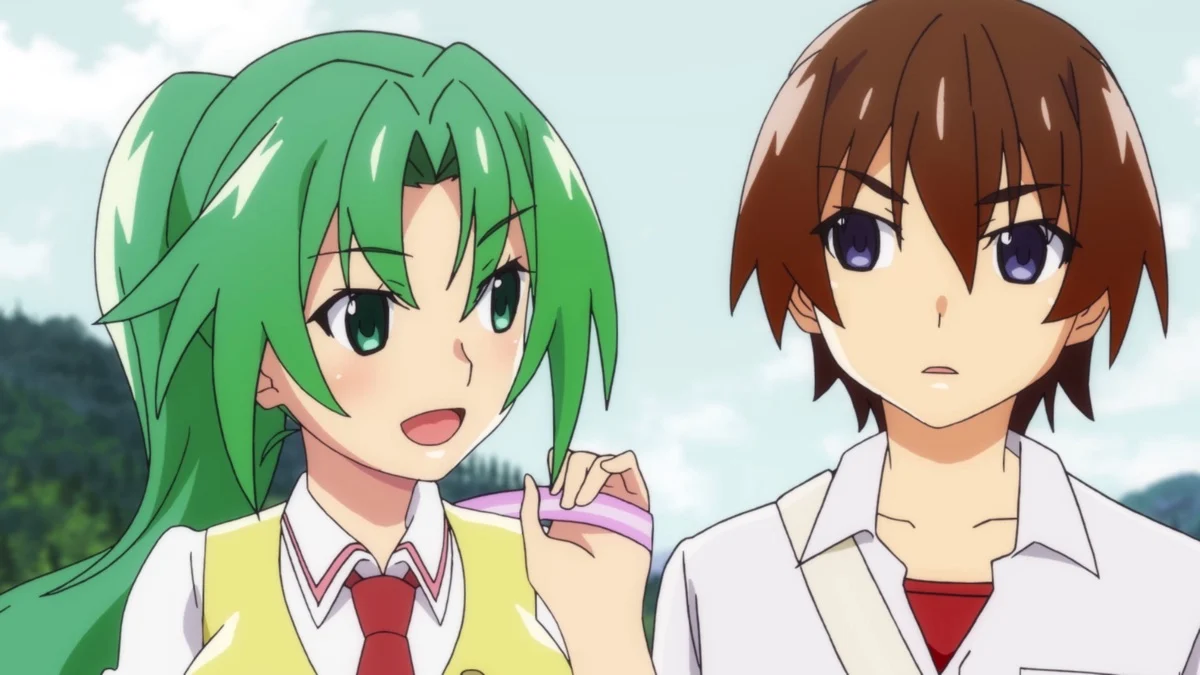
Image credits
Higurashi: When They Cry – GOU
© 2020 Ryukishi07/Higurashi-P Licensed by Funimation Global Group, LLC.All Rights Reserved.
Image sourceThis order preserves the original mysteries before their later developments. “Can I understand enough to continue?” and “Will I encounter earlier discoveries in the intended order?” are different questions. A viewer can tolerate confusion and still prefer not to lose a prior mystery to a later work’s assumptions.
For the same reason, avoid later trailers, character pages and episode thumbnails while deciding. Even a neutral search for a subtitle can put revealing artwork beside the answer. You do not need to investigate the difference in order to respect it.
Does a newer edition always make a better starting point?
Only when it actually serves that purpose for the experience you want. A remake can retell an earlier narrative; a continuation can depend on it; a new story can deliberately exploit your recognition of it. Production date alone does not distinguish those jobs.
With Higurashi, a small amount of edition checking prevents a large amount of accidental explanation. Start with the original television mystery and Kai. Keep Rei identified as its own follow-on. Save GOU, then SOTSU, for when returning to Hinamizawa is a choice you can make with the earlier story behind you.
Sources
Linked sources contain later story details.