
A payslip does not make anyone good at a difficult conversation. “Romance about adults” can mean wanting people past school, wanting work and rent to matter, or wanting a couple who can be candid with each other. These four series offer the first two in different forms; none gets a certificate of maturity merely from its cast’s ages.
That distinction matters if a twenty-something cast avoiding a simple conversation frustrates you more than a school setting.
| Series | Place of romance | Early communication problem | Best reason to choose it |
|---|---|---|---|
| Nana | Part of an entangled friendship, music and relationship drama | Deciding whom to trust while building an independent life | You want relationships to have material consequences beyond the couple |
| Wotakoi | Direct dating comedy | Being friends does not make dating effortless | You enjoy shared interests and recognisable social embarrassment |
| Recovery of an MMO Junkie | Online/offline romantic connection | A new identity makes contact easier and honesty harder | You want affection entangled with an adult restart |
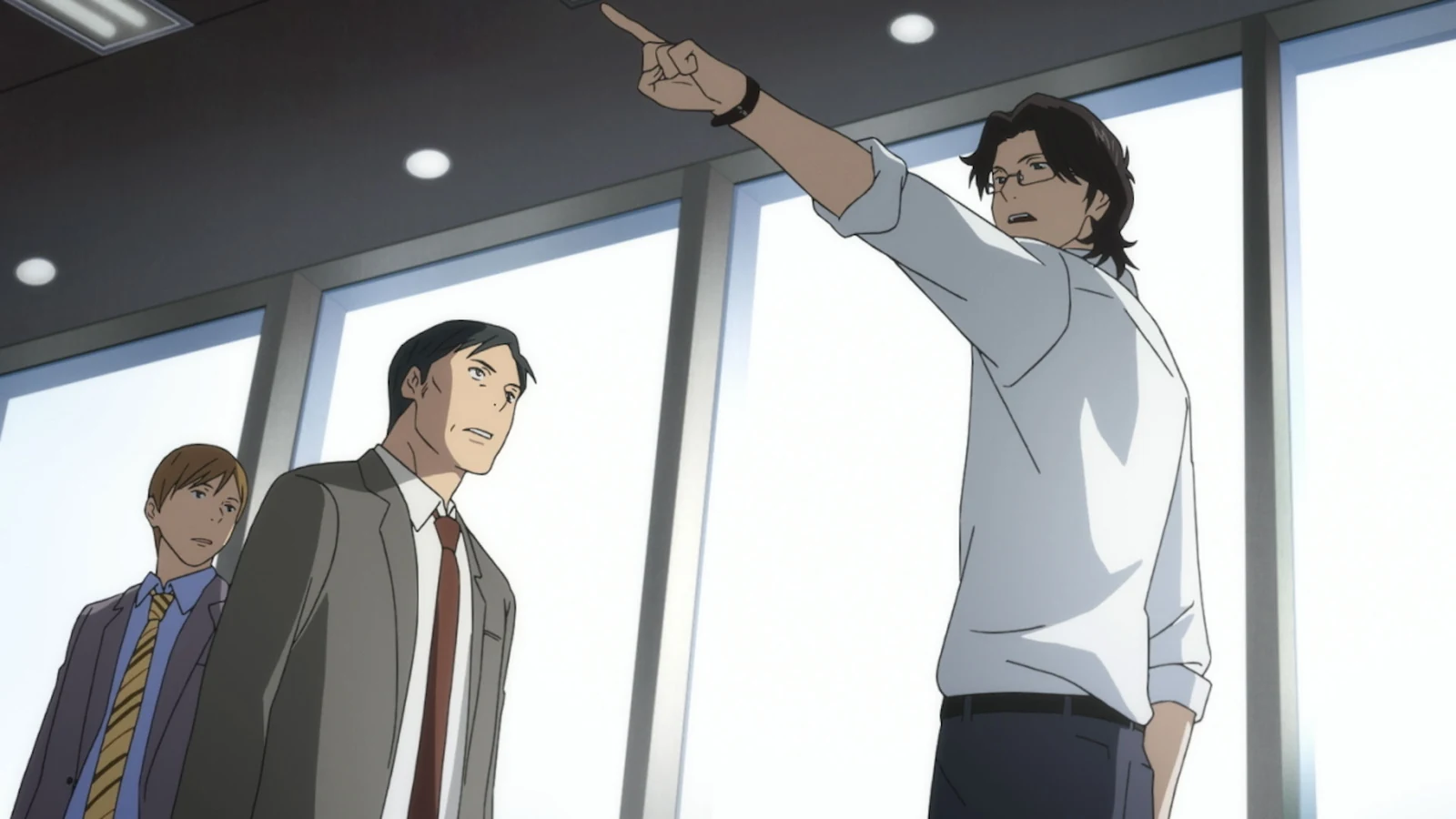
| The Great Passage | A thread within a dictionary-making drama | A specialist in words must find a personal way to use them | You want work to matter as much as courtship |
Do you want two Nanas building a life?
Nana
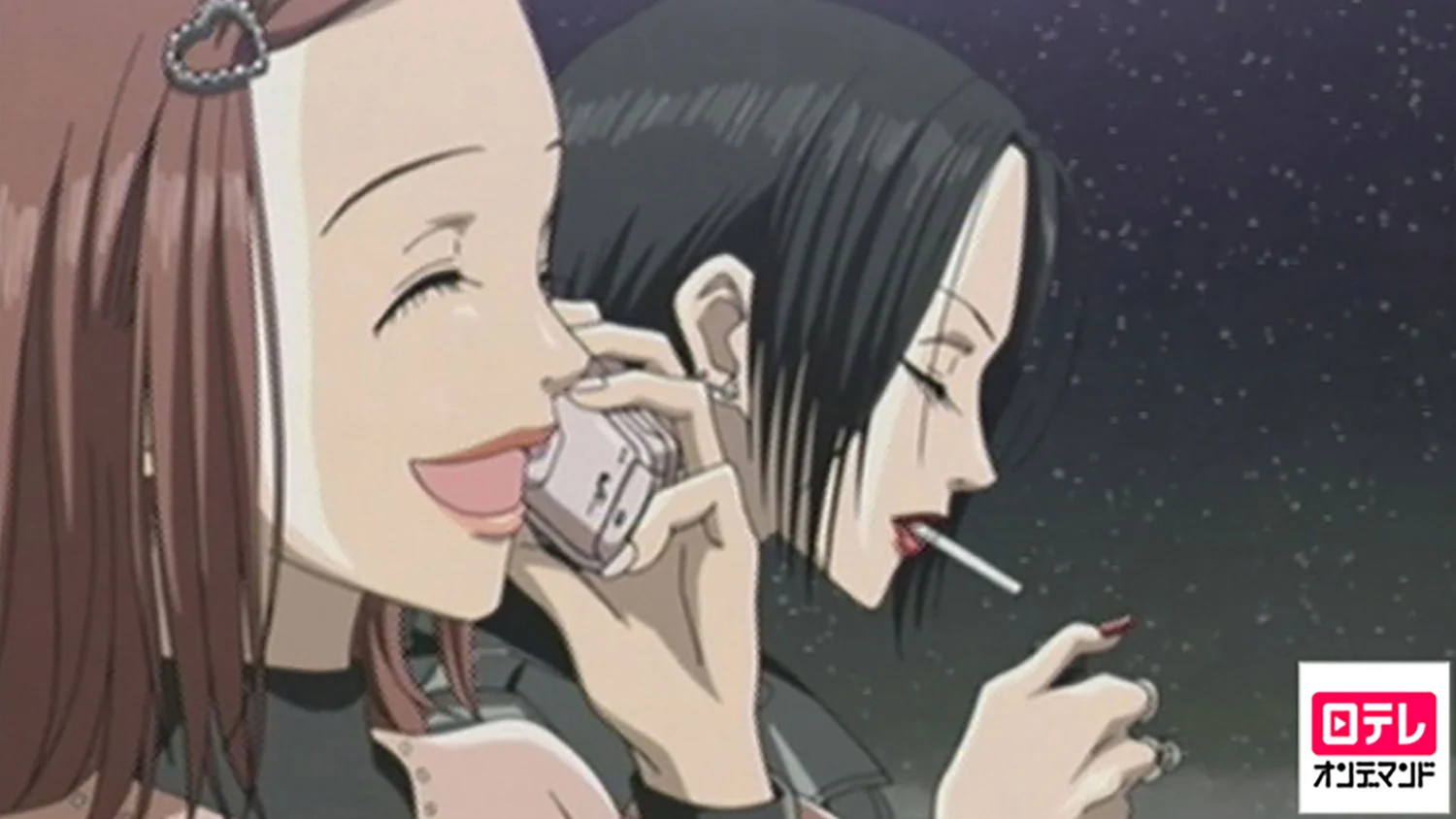
Shared space brings different romantic and professional priorities into contact. Image credits
Nana
(C)矢沢漫画制作所/集英社・VAP・マッドハウス・NTV
Image sourceNana Komatsu and Nana Osaki meet on a train to Tokyo and later both want the same flat. The estate agent proposes sharing: separate rooms, a shared kitchen and bathroom, and half the rent each. Komatsu quickly agrees; Osaki follows. Their new life begins with an affordable arrangement and trust in someone recently met, rather than a declaration that they have everything worked out.
Why try it: The decision also gives other people reason to worry. Komatsu’s friends check on her choice to live with a stranger. Independence here can look exciting from inside the flat and rash from outside it. That is useful adult-life friction: choosing your own company does not remove concern, dependence or disagreement.
Keep in mind: Osaki’s musical ambition and Komatsu’s romantic hopes bring different priorities into the household. Choose Nana for those entangled lives, not as a model of perfectly managed relationships. Its original television story has 47 main episodes, with three recap entries in some packages; friendship and music occupy substantial space alongside romance.
Do you want a workplace reunion to become a romance?
Wotakoi: Love Is Hard for Otaku

A new workplace can expose a familiar person’s carefully hidden interests. Image credits
Wotakoi: Love Is Hard for Otaku
(C)ふじた・一迅社/「ヲタ恋」製作委員会
Image sourceNarumi Momose changes jobs after a breakup and meets her childhood friend Hirotaka Nifuji at the new office. Narumi is a fan of boys’ love stories, while Hirotaka is a dedicated gamer. Knowing each other’s interests removes one obstacle to connection: the colleague is also someone with whom she has a history beyond the image she presents at work.
Why try it: It does not remove the awkwardness of dating. Early in their new relationship, Narumi avoids Hirotaka because the change feels uncomfortable. Their colleagues Hanako and Kabakura try to advise them. The conflict is specific: an established way of being friends no longer feels adequate, even though neither person has become a stranger.
Keep in mind: That embarrassment gives the romance its funny, affectionate tone. If your requirement is a couple who calmly says what they need from the outset, an adult office will not make this the automatic answer. Its direct dating comedy is a better fit than Nana when you want the romance foregrounded rather than spread through a larger life drama.
Do you want an online world and a restart?
Recovery of an MMO Junkie
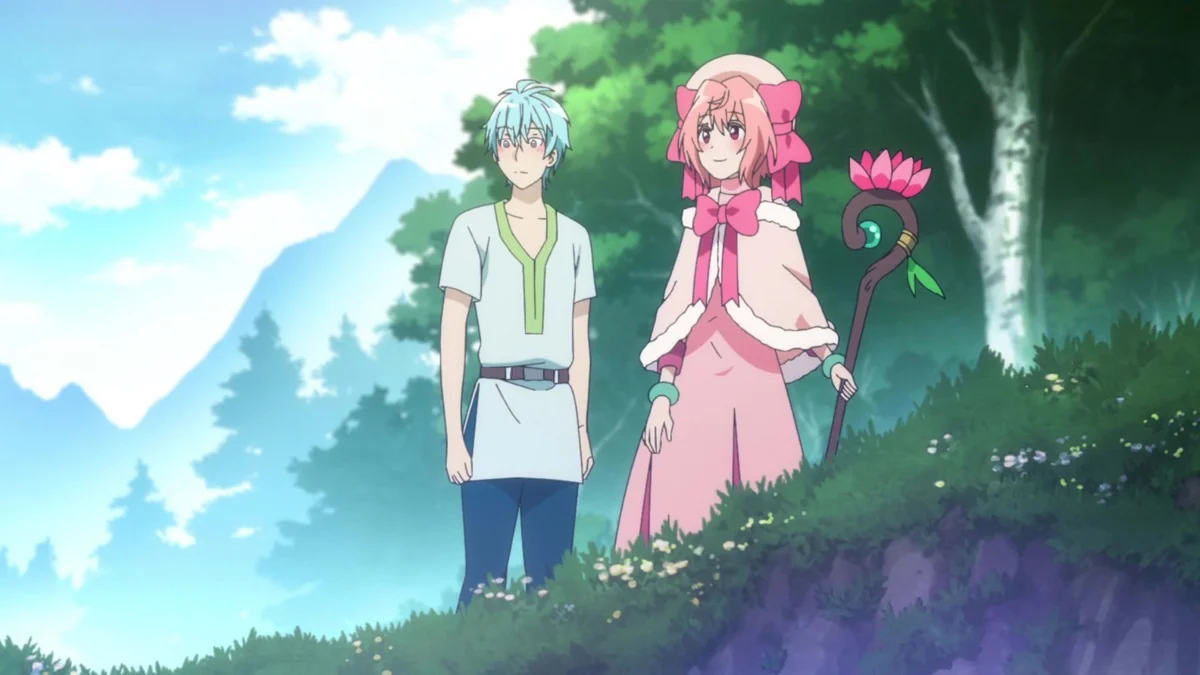
An online identity gives adult players a different way to approach company. Image credits
Recovery of an MMO Junkie
(C)黒曜燐/comico/ススメ!ネト充プロジェクト
Image sourceThirty-year-old Moriko Morioka leaves office work and starts a game as the male character Hayashi. The early attraction is a fresh way to approach people without carrying her former daily role into every encounter. In episode 2 she has begun enjoying the company of Lily and the other players, but feels guilty about misrepresenting herself to them.
Why try it: That guilt gives the online identity a cost. The distance that makes company easier also leaves her with information she is withholding from people she likes. Wanting the connection to continue and worrying about how it began can coexist; the series does not need a school setting to make that anxiety recognisable.
Keep in mind: Online companionship and an adult restart shape the romance. It is a weaker fit if your main request is direct, assured communication, or if you want a busy workplace ensemble. Moriko’s age does not make withdrawal a failure, and her game persona does not make the relationships effortless.
Are you happy with romance as a side story?
The Great Passage
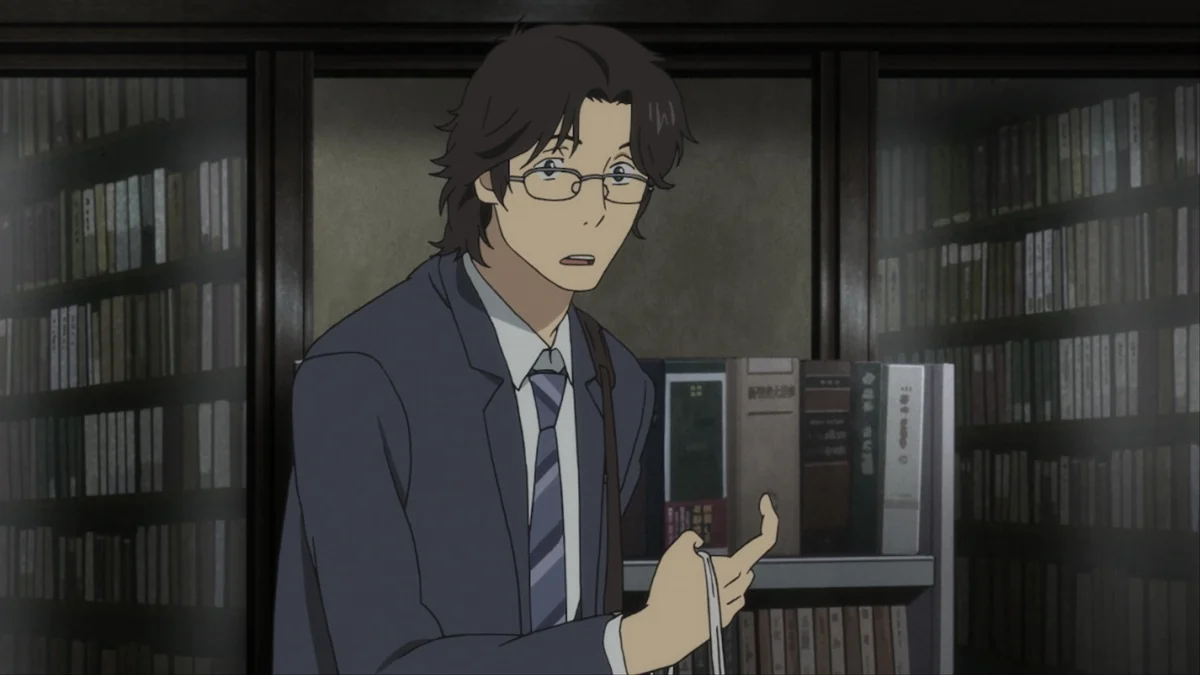
The dictionary project remains the main shared undertaking, with romance alongside it. Image credits
The Great Passage
(C)玄武書房辞書編集部
Image sourceMajime Mitsuya’s attention to words makes him valuable to a dictionary department, but ordinary conversation is harder for him. His interest in Kaguya, a chef-in-training, eventually takes the form of a love letter. He has to work up the courage to hand it to her.
Why try it: That is a more particular attraction than “adults communicate”: someone whose professional work depends on language must risk making his own feelings readable to another person. A prepared letter gives him a way to act; it does not let dictionary expertise determine the answer. Meanwhile the department faces practical conditions for keeping its project alive, so private feeling shares the story with work that matters to other people too.
Keep in mind: That balance keeps the shared work at the centre of the story. Making the dictionary is the main shared project, and romance is a thread within it. For a couple-led dating comedy, choose Wotakoi instead.

Image credits
Nana
©矢沢漫画制作所/集英社・VAP・マッドハウス・NTV
Image sourceThe useful question is not which cast is most adult. It is which difficulty you want the romance to explore: making a shared life, changing an old relationship, revealing yourself online, or finding the words to express affection alongside demanding work.
Sources
Linked sources contain later story details.
- Reddit: “Romance anime about adults?”
- a request for mature, wholesome romance
- a request for slice-of-life recommendations from someone nearing thirty
- Nippon TV NANA programme page
- Sentai catalogue page
- Wotakoi official episode one
- Apple TV Recovery of an MMO Junkie listing
- opening synopsis
- Fuji TV The Great Passage programme page
- Apple TV episode five listing
- Japanese flat-sharing synopsis
- English friends’ concern synopsis
- Wotakoi official episode 2
- Recovery episode 2
- The Great Passage episode 5