
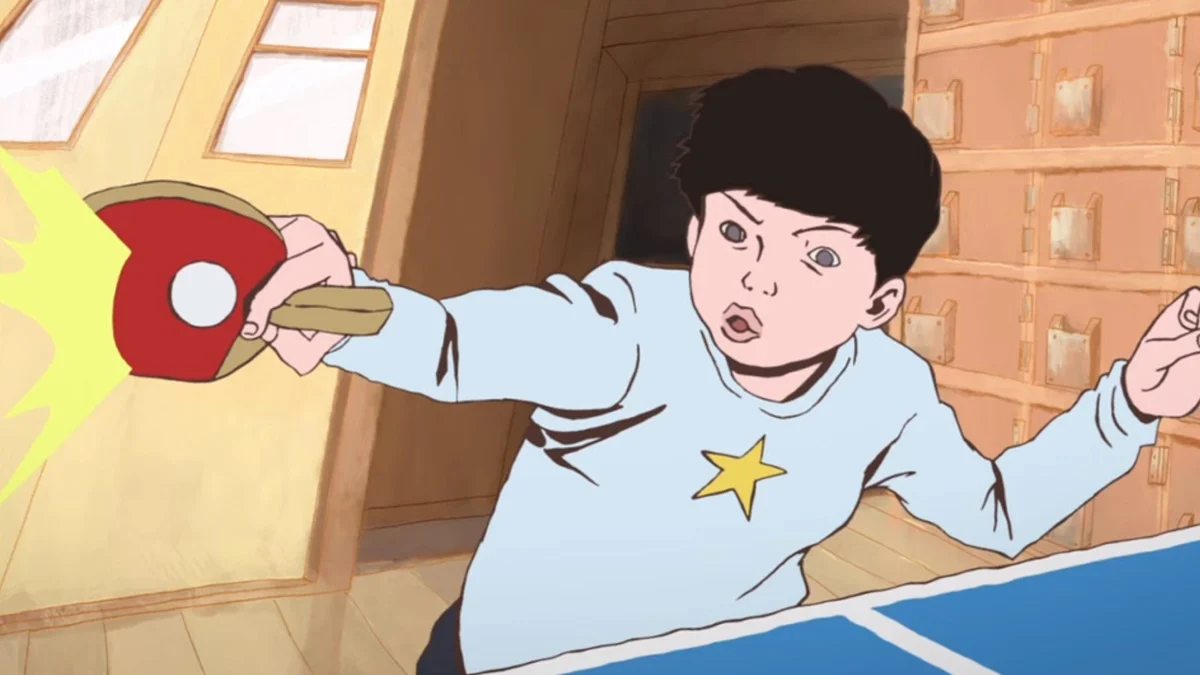
A hobby can become tense when the story makes practice matter. Maybe every card remembered changes a match, a beginner discovers how far behind a rival they are, or a creative plan runs into a deadline and a budget. These four anime show that pressure in different ways.
Do you want a club to grow around a game?
Chihayafuru, season one
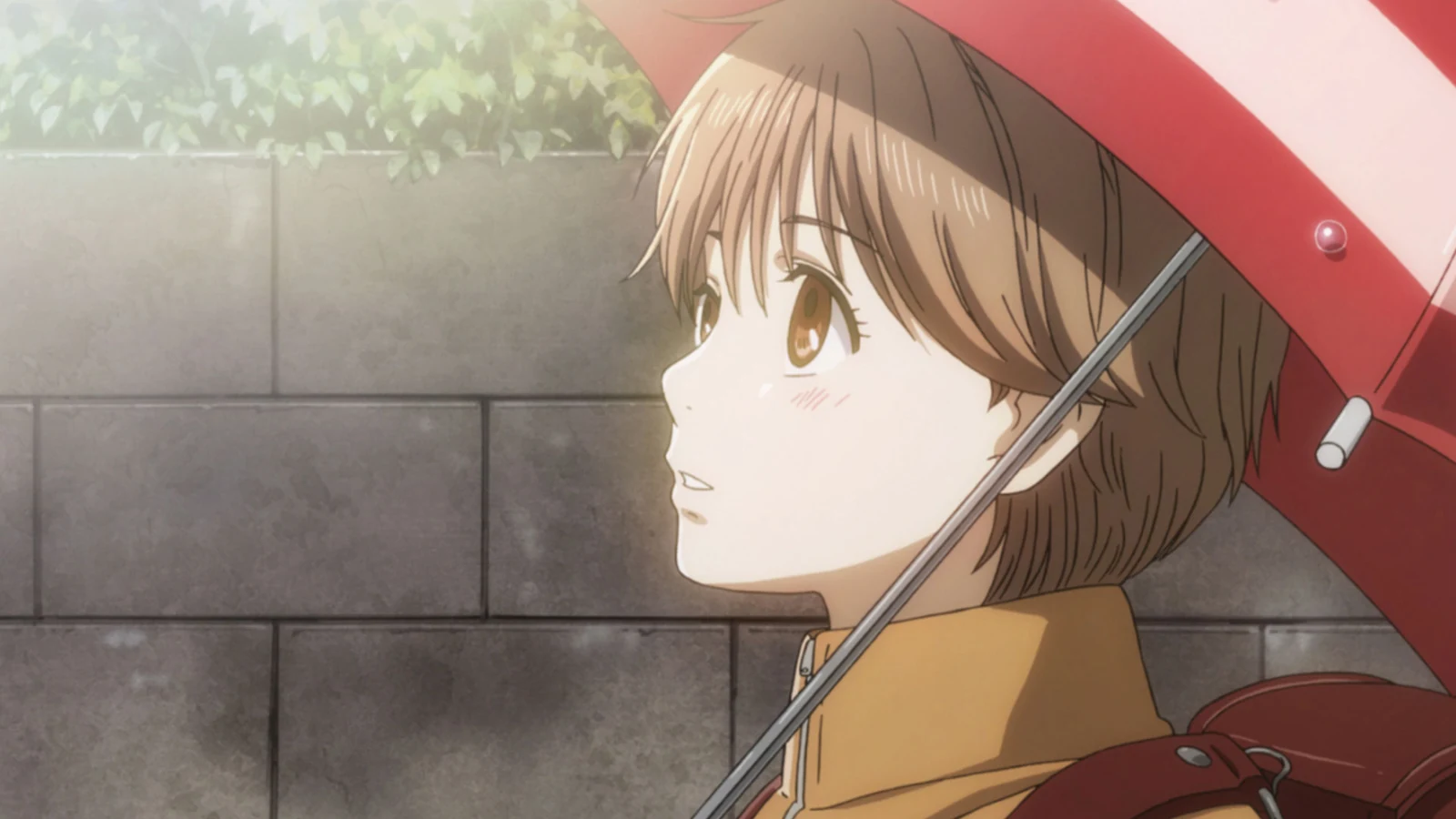
A young woman in a red beret looks ahead in profile. Image credits
Chihayafuru
(C)末次由紀/講談社・VAP・NTV
Image sourceChihaya Ayase is drawn to competitive karuta after meeting Arata Wataya, a transfer student whose passion for the card game catches her attention. Karuta uses poems from the Hyakunin Isshu: players listen for a verse and race to take the matching card. Chihaya’s enthusiasm gives the club its centre, but a club has to sustain several players’ practice and confidence. Each player competes individually, but their matches matter to the whole club.
Why try it: This is the pick if you want a school-club story where the hobby generates rivalries, friendships and a reason to practise together.
Keep in mind: The first season is the boundary here; the full anime continues beyond it. Choose something else if you want a self-contained short series or a hobby that stays solitary.
Is an apprenticeship your kind of story?
Hikaru no Go
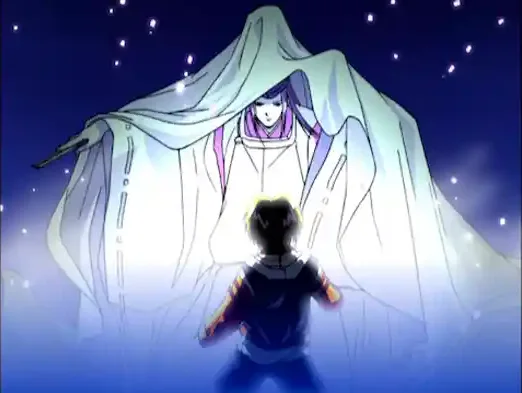
An experienced spirit gives a beginner an inheritance he has not yet learned to value. Image credits
Hikaru no Go
Original Hikaru no Go television artwork via U-NEXT.
Image sourceTwelve-year-old Hikaru finds an old Go board and becomes the vessel for Sai, a spirit from the past who is obsessed with reaching the “divine move”. Hikaru initially treats Go as a nuisance. His interest changes when he encounters Akira Toya, a peer who takes the game seriously and becomes a rival worth pursuing.
Why try it: The tension comes from two kinds of progress happening at once: Sai’s deep knowledge and Hikaru’s developing desire to understand the game himself.
Keep in mind: A long apprenticeship and a rivalry can make a quiet board feel charged. Its seventy-five episodes ask for more time than the other picks.
Do you want the match to feel personal?
Ping Pong the Animation
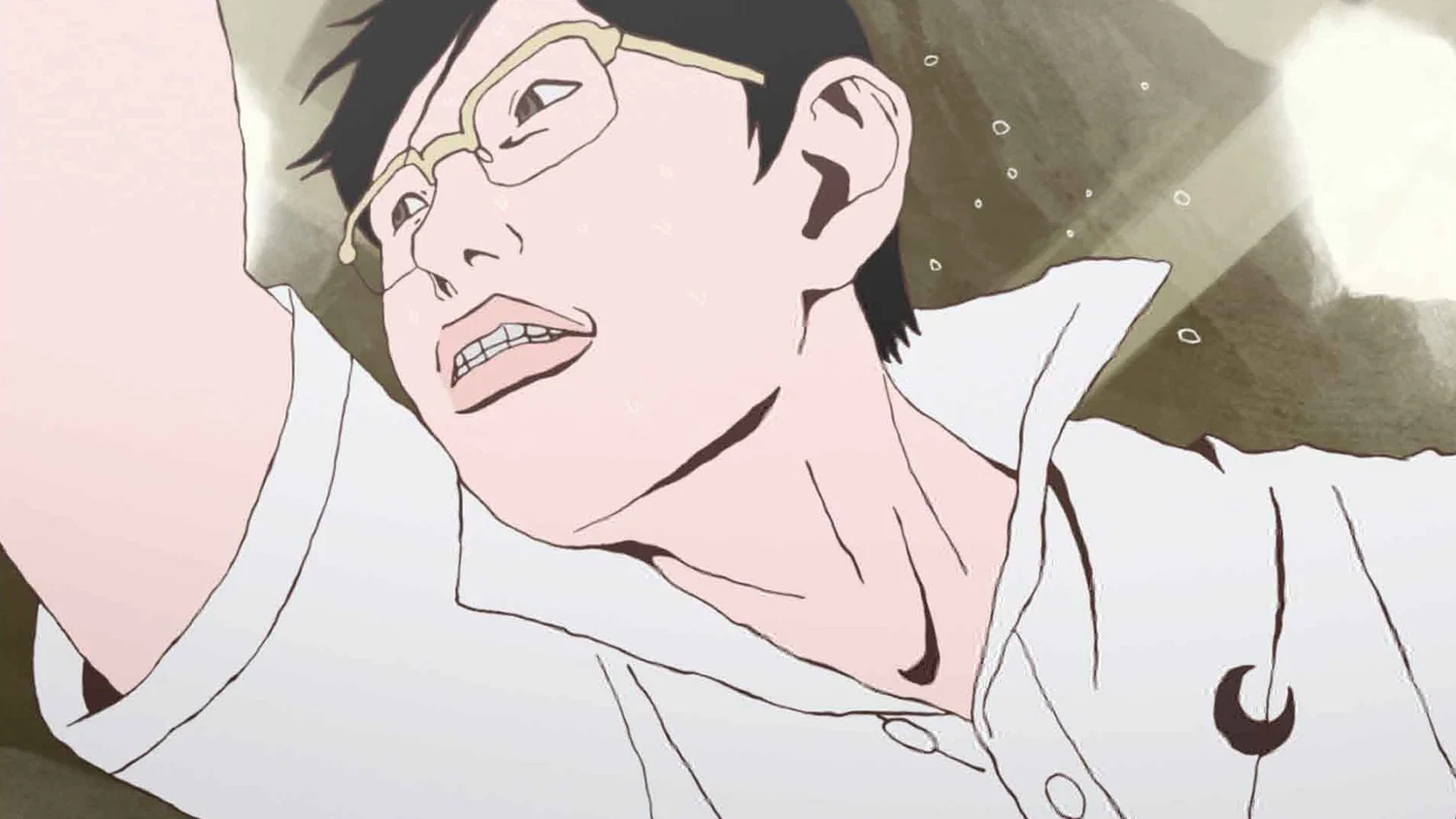
Movement makes different attitudes to competition visible. Image credits
Ping Pong the Animation
© 2014 Taiyou Matsumoto, Shogakukan / PingPong The Animation
Image sourceFive young men approach table tennis with different abilities and ambitions. Smile’s reserved manner and Peco’s brash confidence create a particularly useful contrast: for one, the sport is a familiar routine; for the other, it is tied to a bright idea of being a hero. Their matches matter because the players bring different definitions of winning to the same table.
Why try it: This is the quickest route if you want sport, youth and character to meet in a complete eleven-episode story.
Keep in mind: The energetic, loose drawing changes the feel of the rallies and can be a draw in itself; if you prefer polished realism, that graphic approach may take adjustment. UK Anime Network critic A. H. places Peco and Smile’s different attitudes to winning at the centre of the drama.
Would you rather watch people make something?
Keep Your Hands Off Eizouken!
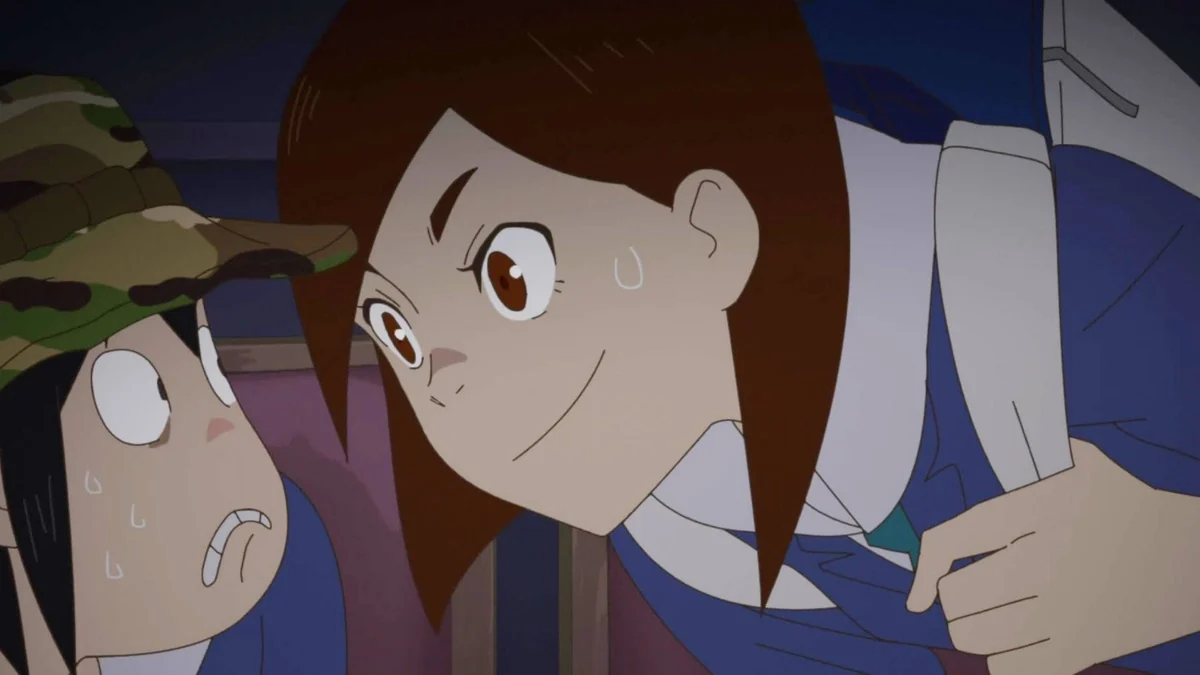
Making animation starts with people who bring different skills to the same idea. Image credits
Keep Your Hands Off Eizouken!
(C)2020 大童澄瞳・小学館/「映像研」製作委員会
Image sourceMidori Asakusa imagines animated worlds; Sayaka Kanamori knows how to turn an idea into a plan; Tsubame Mizusaki wants to animate. Their group’s first challenge is not simply to make something wonderful, but to make a short film that can exist within the time, money and skills they have. The series makes drawing, sound, layout and production decisions part of the adventure.
Why try it: The satisfaction comes from seeing an idea become a finished object with friends.
Keep in mind: Early episodes show the group translating imagined movement into concrete production choices. Its tension comes from deadlines and problem-solving, rather than a head-to-head sporting contest.
Sources
Linked sources contain later story details.