
Sunraku is not trying to escape Shangri-La Frontier. He chose to play it. That changes the meaning of a dangerous encounter: the question is what he can discover or accomplish, rather than whether the game will let his real body survive.
The freedom matters. Rakuro Hizutome, the player behind the bird-headed avatar, can spend his time elsewhere. If a new challenge holds his attention, the story has to make us understand why. His enthusiasm becomes a source of momentum in its own right.
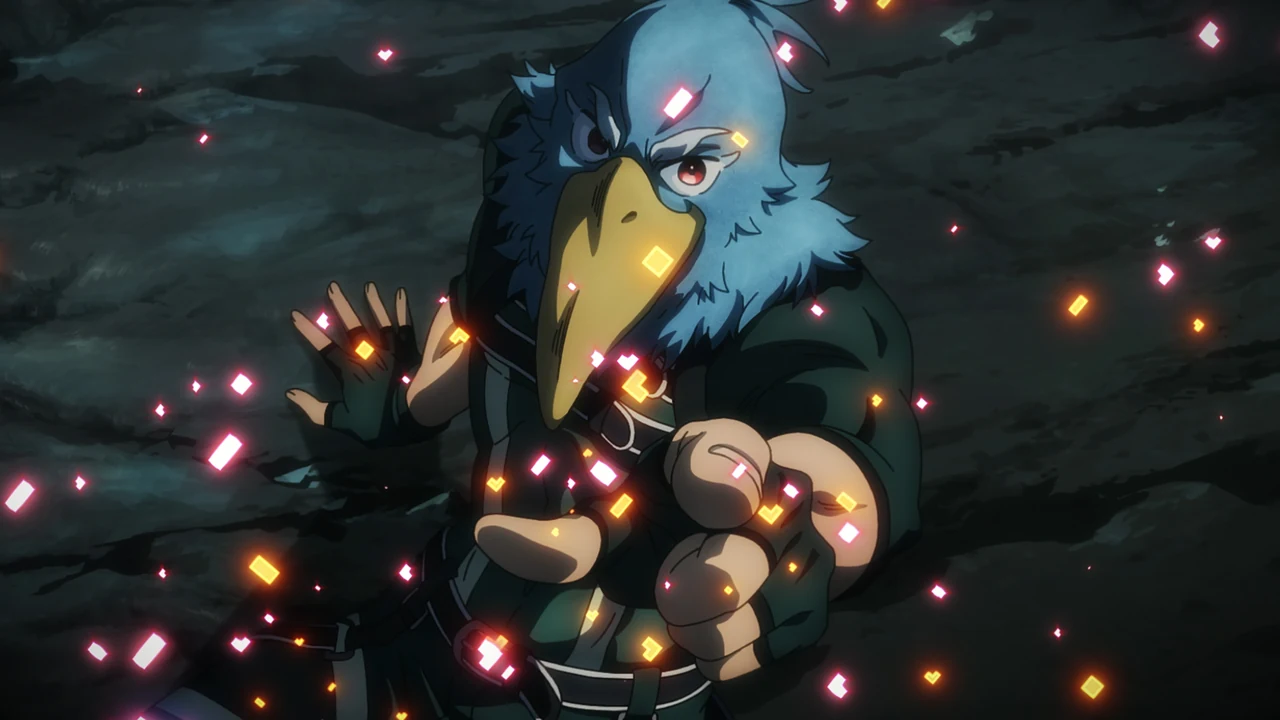
What replaces life-or-death stakes?
A game can matter without claiming that losing will kill the person playing it. Wanting to solve an encounter is a smaller motivation, but an immediately recognisable one: something has defeated your expectations, and you would like to understand it well enough to respond.
That desire can support suspense at the scale of a single decision. Has the player read the situation correctly? Will a familiar habit help? Is the impressive thing in front of him an opportunity or a warning? We can care about the answer because he cares about what he is attempting.
This is different from saying that nothing has consequences. Difficulty can frustrate a plan, expose a weakness or make a confident player reassess what he knows. The emotional investment comes from effort and curiosity. The story can let a challenge be exciting without repeatedly escalating the danger to somebody outside the headset.
Why start with somebody who enjoys bad games?
Rakuro has spent his time completing games with bugs, awkward balance and unreliable systems. The official first-episode introduction sets that preference against his new choice: a highly regarded virtual-reality game with an enormous fictional player base.
This gives the move into a better game an amusing tension. He is an experienced player, rather than a beginner being taught what playing means. But experience in other games does not amount to complete knowledge of this one.
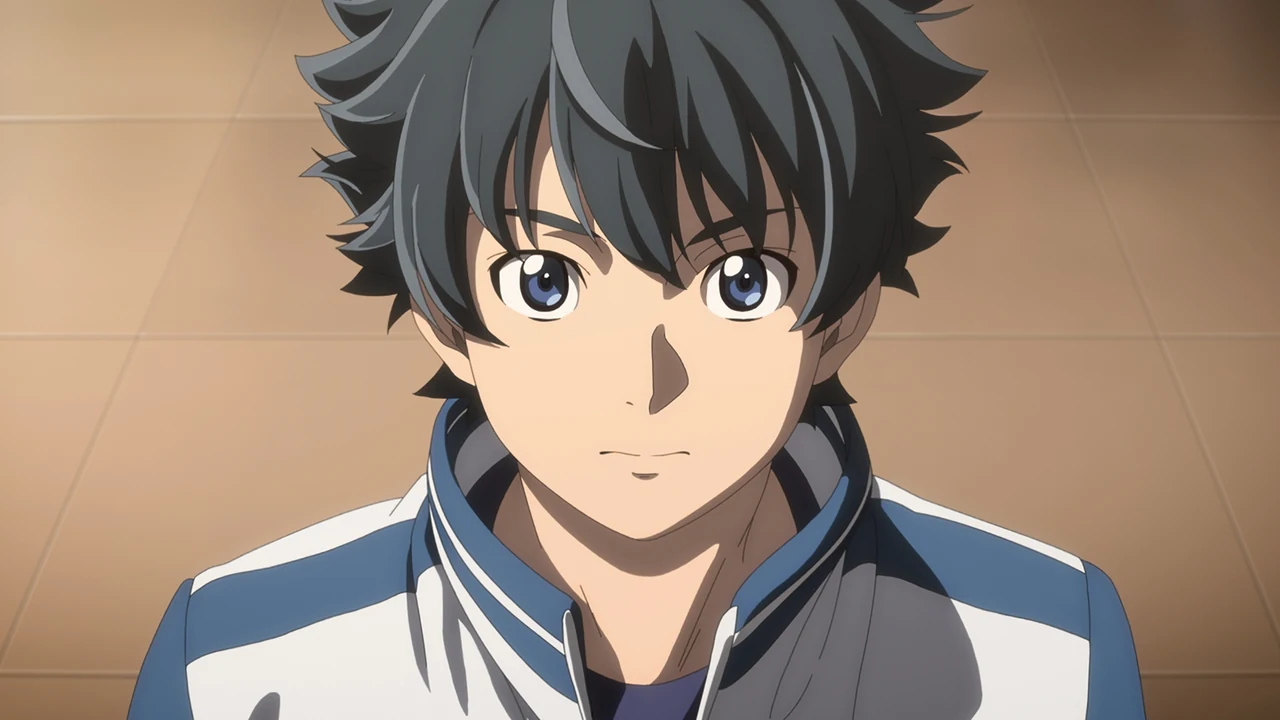
His competence and his enthusiasm therefore serve different purposes. Skill makes it plausible that he can respond to a demanding situation. Enjoyment makes it plausible that he would seek one out. A hero can be capable without wanting every obstacle removed from his path.
The bad-game background also makes pleasure more particular than simply preferring the most polished product. Rakuro has found reasons to keep playing things that misbehave. A well-made game gives that persistence a new setting, rather than replacing an activity he hated with an activity he finally likes.
Can being outmatched be part of the attraction?
The early encounter with the black wolf Lycaon is useful precisely because it does not turn the premise into a demonstration that Sunraku is better than everything around him. The official episode 3 synopsis stresses the gulf in ability between player and monster—and says that he is enjoying the adversity.
That is a more interesting relationship with difficulty than effortless dominance. A remarkable opponent can reveal how much of a game remains beyond you. It makes the world feel larger by showing that your current competence has limits.
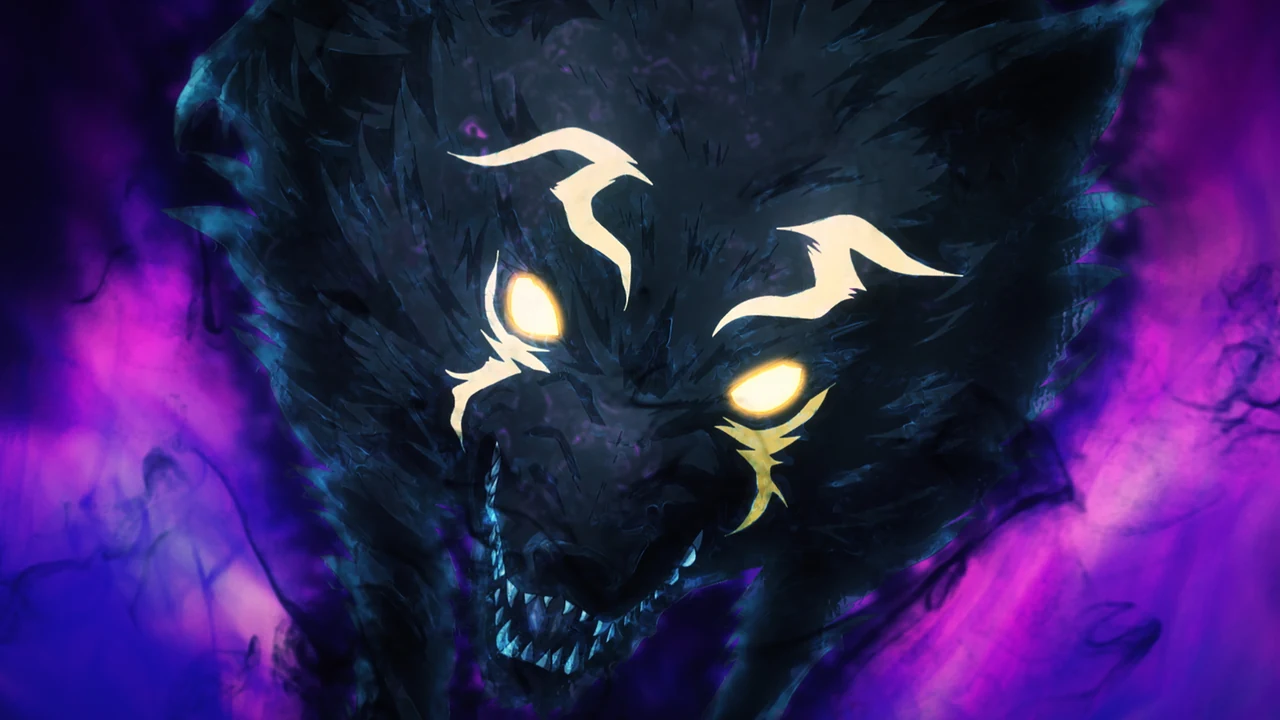
For the viewer, the important thing is the connection between that limit and his interest. If a protagonist only wants the reward, difficulty is time spent waiting for the reward to arrive. If he wants to understand the challenge, difficulty supplies the subject of the scene.
The pleasure does not require everyone to share his priorities. There is comedy in a player finding an alarming situation attractive. The gap between how a monster looks and how he approaches it helps make the enthusiasm visible.
Why let him go back to a different game?
Episode4 makes Rakuro’s freedom more than a technical distinction. He returns to Berserk Online Passion, another game, for a fighting match with a familiar gaming acquaintance. The official episode synopsis keeps the older, badly behaved game within his social life even after the new one has caught his attention.
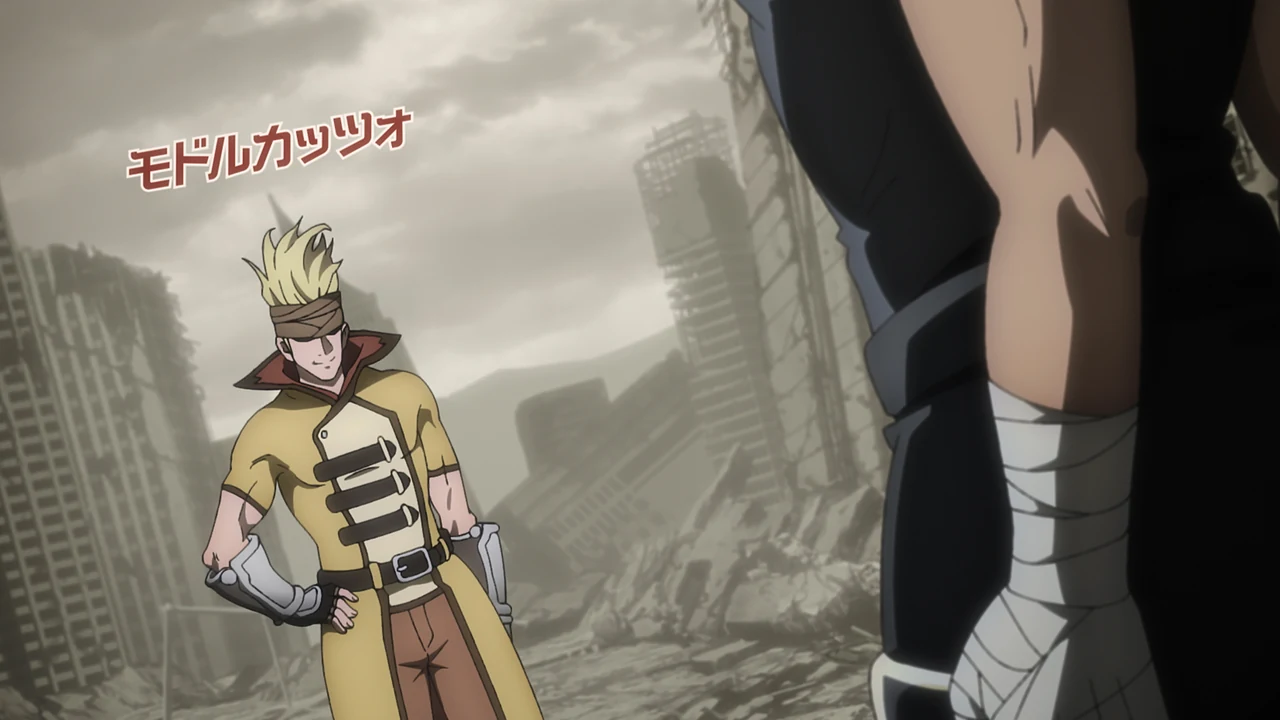
A single virtual world does not have to contain everything that matters to him. Games offer different rules, frustrations and forms of company. Moving between them makes the player’s interests feel broader than the requirements of one quest line.
It also provides a useful answer to the question of why he returns. Being able to leave makes continued interest meaningful. He is choosing this challenge from among things he could be doing, and bringing experience and relationships with him.
That approach has its own limit. A fictional game can still arrange unusually special opportunities around its protagonist. In the reader discussion that prompted this question, cgriff03 wanted more independent storylines and found the focus on the lead excessive. Voluntary play does not automatically make the imagined world equally convincing to everybody.
What it does give Shangri-La Frontier is a clear emotional centre. Sunraku can take the game seriously because he enjoys it. The next encounter does not need to threaten his real life to be something he wants to talk about, prepare for and attempt again.
The original-season launch trailer from Crunchyroll introduces the game and its bird-headed player.
Sources
Official episode archives and the linked discussion include events beyond these opening examples. The Feature does not explain the early encounter’s result or special quest mechanics.
- Official English introduction and episode 1, for Rakuro’s interest in badly designed games and his voluntary choice of Shangri-La Frontier.
- Official episode 3, for Lycaon’s overwhelming challenge and Sunraku’s enjoyment of adversity. The two selected episode 3 frames come from its gallery; captions do not assign an unverified effect to the coloured fragments.
- Official episode 4, for the return to Berserk Online Passion and the selected player-versus-player frame.
- The actual reader discussion, especially browntown994 on remaining a game and cgriff03’s qualification. These are individual readings, not audience consensus or authority for the game’s rules.