
A student film needs a leading actress. One applicant has already appeared in a magazine, which gives the director a useful selling point: a professional model in their small production. For Iwasaki, another member of the film circle, that same photograph has been a source of dread. He has only just begun to put the woman’s face out of his mind when her application brings it back.
“Fashion Model”, in the second television episode of Junji Ito Collection, gives its nightmare a recognisable social obstacle. Iwasaki can say he is frightened. He cannot make that feeling carry the same weight for everyone else. The director, Oda, wants the attention that a professional participant might bring. The two men look at the same casting opportunity and see different futures.
That disagreement is a more interesting place to enter this 2018 adaptation than a promise that every grotesque image will frighten everybody. Its early stories change who is afraid, who wants something and who gets to decide whether a warning matters.
Why does Iwasaki’s fear fail to stop the casting?
Iwasaki’s fixation begins before the casting decision. Before the model becomes a person the group may meet, she is an image he cannot dismiss. The reproduced face gives the story a concrete object: something already printed, circulated and available for someone else to look at without sharing his alarm.
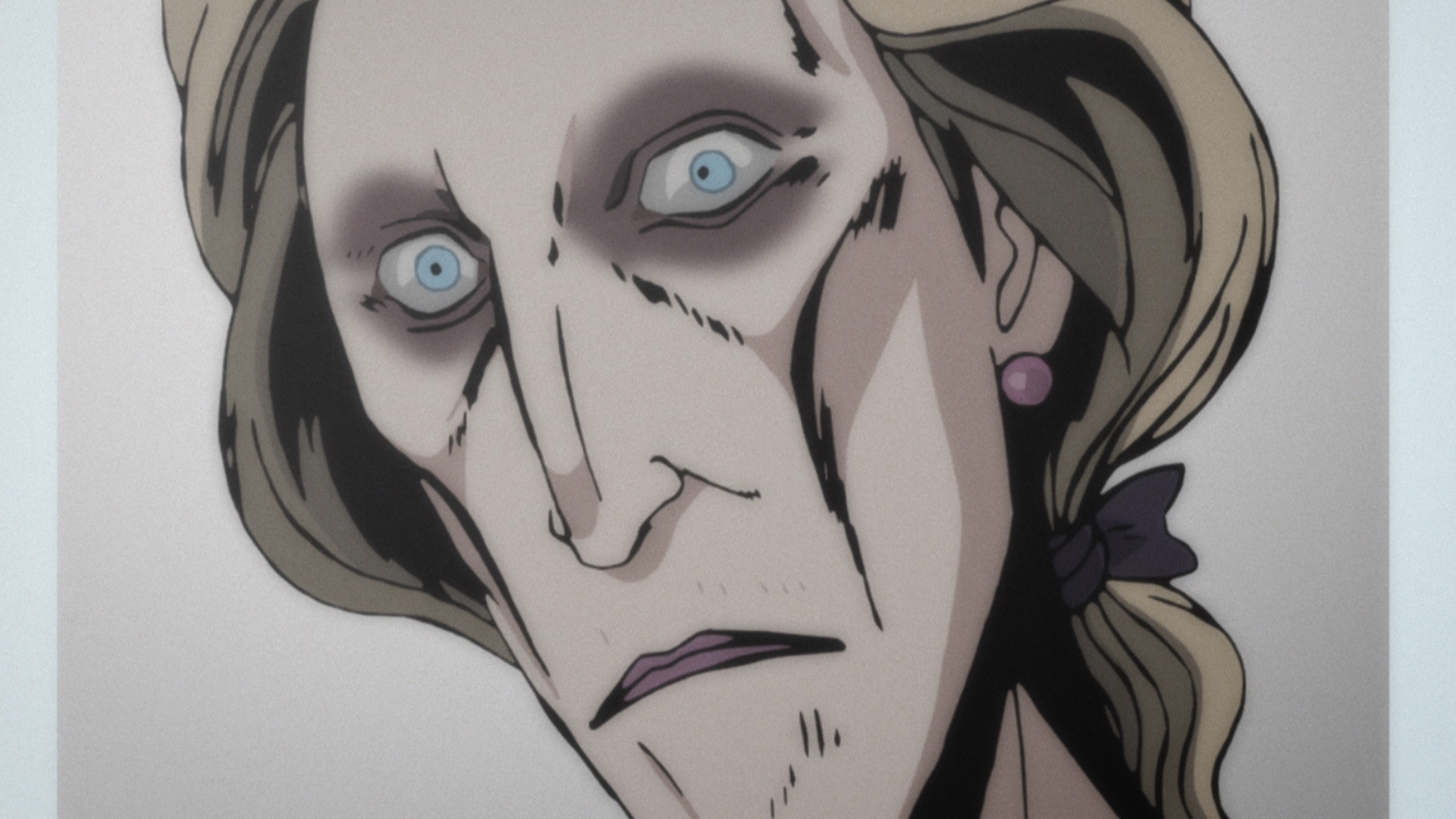
It is tempting to skip straight from that face to the question of what the model will do. The casting decision deserves attention first. Oda does not need to share Iwasaki’s fear for the plot to move. He has an ambition that makes ignoring it attractive. A student production can borrow some status from a professional’s name; accepting her offers an apparent way forward.
Read this way, the setup combines an extraordinary face with an ordinary difficulty: how do you persuade people that something is wrong when their plans depend on treating it as an opportunity? Iwasaki’s distress does not arrive as a neutral report that everyone accepts. It has to compete with the group’s desire to make its film.
That does not make an unusual appearance proof of danger, or turn Oda into a villain simply for casting a model. The story’s unease begins in the gap between a private conviction and a shared decision. We can recognise that pressure before learning whether Iwasaki’s dread is justified.
Why does Souichi want to be feared?
The opening story offers a useful reversal. Souichi, the boy at the centre of “Souichi’s Convenient Curse”, believes he possesses exceptional power. Instead of beginning beside somebody who wants a disturbing image to go away, the anthology begins with somebody staging his own claim to be feared.
His ritual has equipment: nails, candles, a hammer and the trees around him. These objects make his ambition oddly practical. A curse may promise invisible influence, but Souichi puts visible labour into presenting himself as its author. The boy’s self-importance sits beside the threatening props. The combination leaves room for grotesque comedy as well as alarm.
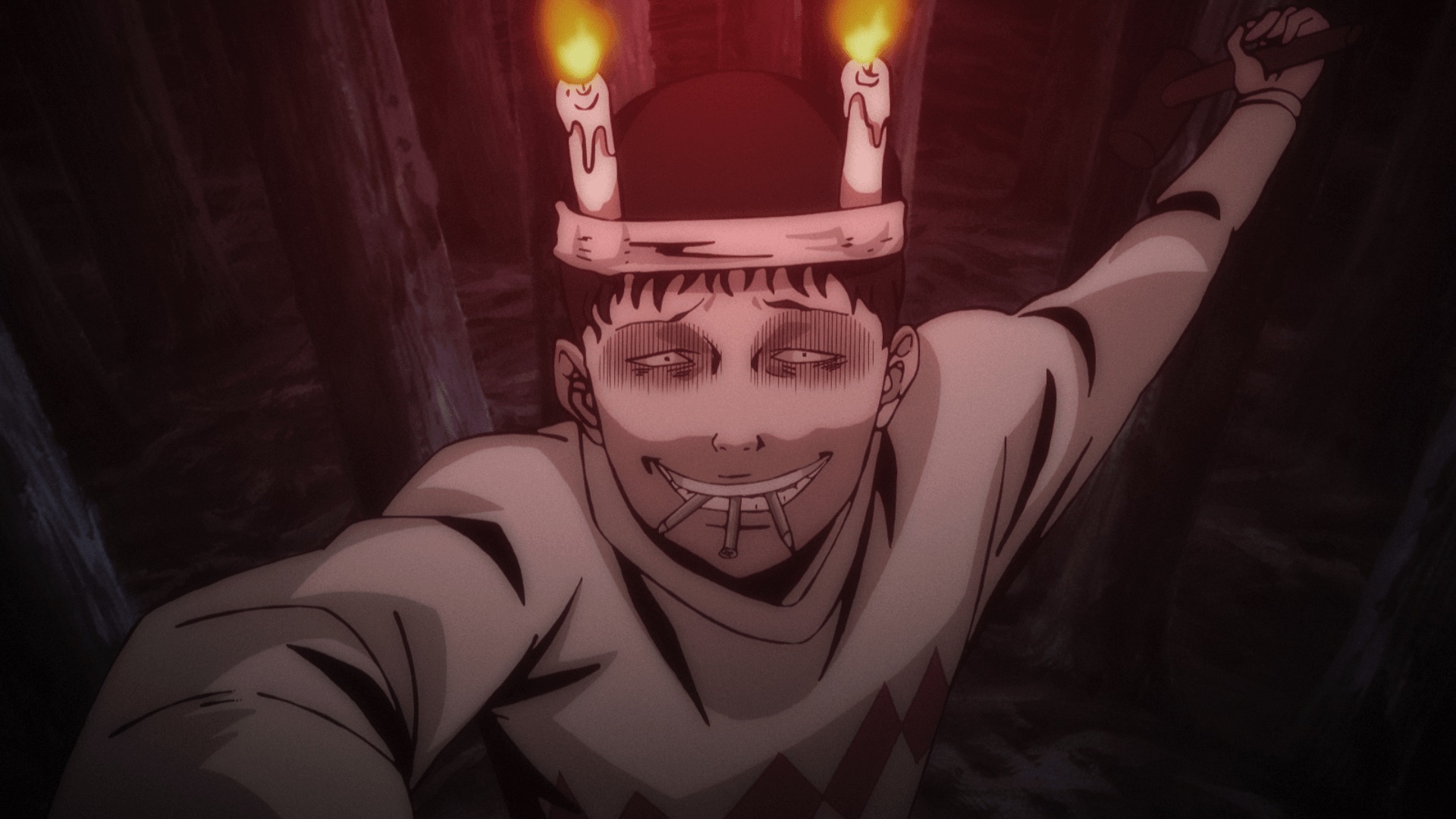
Placed beside “Fashion Model”, this changes the viewer’s position. Souichi wants other people to take his power seriously. Iwasaki wants his fear taken seriously. One tries to manufacture an effect; the other struggles to escape one. The anthology can move between them without building a single hero whose judgement settles every encounter.
The short form makes those changes possible, but the change of cast alone is not the substance. Each story starts with a different reason for a person to act. Grievance pushes Souichi towards a ritual. A film-making ambition pushes Oda towards a casting choice. Those wants give the strange images somewhere to enter ordinary life.
What should animation add?
The adaptation’s reception raises another question. In an r/anime discussion of a critical video, DirkDasterLurkMaster argues that comparing isolated manga and anime images is an incomplete test: an adaptation may lose drawn detail while gaining something through its new medium. A direct reply criticises the animation’s contribution while still reporting enjoyment of much of the series. Disappointment and interest can coexist in the same response.
That distinction matters for a collection so closely associated with startling drawings. Recognising a face is one part of the encounter. Anticipation also depends on when somebody speaks, when another person reacts and how long the scene leaves a warning hanging. Souichi trying to seem powerful and Iwasaki trying to be believed give those choices different human purposes.
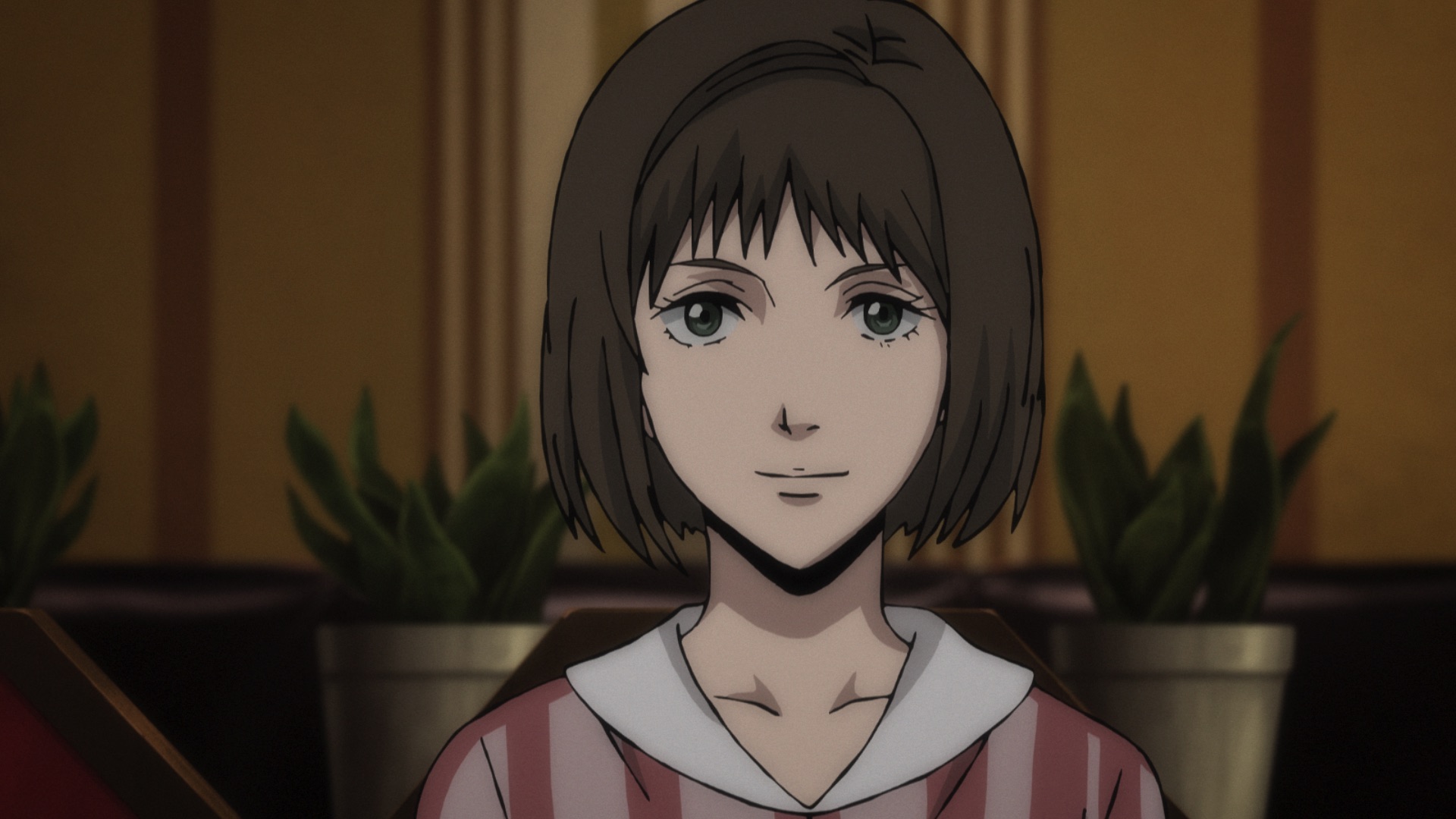
The contrast between the early stories gives another reason to be curious. Souichi’s ceremonial performance and the student group’s professional aspirations ask for different responses. The stories offer an opportunity to notice how menace and absurdity sit beside recognisable human wants, rather than to demand one unbroken mood of terror.
A separate prospective-viewer thread includes a reader who enjoys the variety of unsettling, suspenseful and frightening stories. Other replies are much less enthusiastic. Neither thread supplies a universal verdict. They do suggest why “Is it scary?” can be too broad a question for this particular collection.
The revealing connection is small: a boy wants to make a curse work, a director wants his film noticed, and a frightened student wants somebody to listen. The nightmare begins while those wishes still sound familiar.
Sources
The episode pages and linked material may discuss more of the stories than this feature does.
- Official 2017 adaptation announcement, for the title, source collections, staff and 2018 broadcast.
- Official story index, episode one and episode two, for the main-TV sequence, paired stories, opening situations and contextual stills.
- Licensed catalogue identity, for the exact TV adaptation and episode grouping.
- The production site’s PV announcement and Studio Deen’s announcement, for the official promotional video and main-character introduction.
- Netflix: Junji Ito Maniac, for the separate 2023 anthology.
- WBD: Uzumaki, for the separate 2024 adaptation.
- r/anime adaptation discussion and a prospective viewer’s question and responses, checked 26 October 2026. These are individual opinions.