
Image credits
Taisho Baseball Girls
©神楽坂淳/徳間書店・東邦星華桜花会
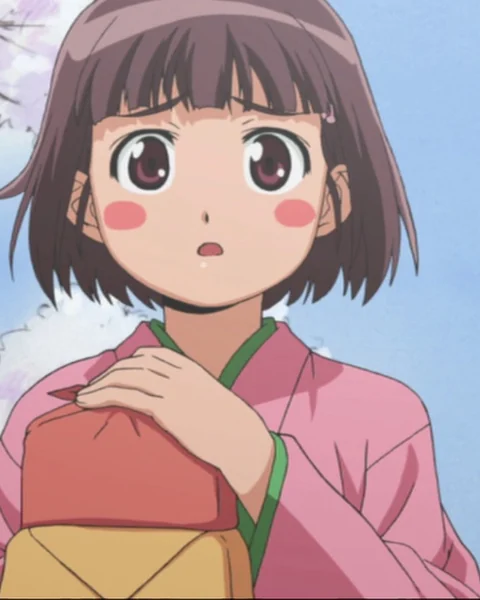
Image sourceIn Tokyo in 1925, Akiko asks school friend Koume to help her start a baseball team. Koume agrees before she knows much about the game. Recruiting players, finding equipment and learning the rules make the apparently simple promise into an unfamiliar project for the girls around them.
English teacher Anna Curtland supplies the first baseball instruction for Koume and Akiko. Tomoe wants to join them but struggles to say so directly, making recruitment a matter of recognising interest as well as issuing invitations. Nine pupils eventually form the Ouka-kai and receive positions from their teacher.
Their match against Asaka Middle unsettles that new arrangement. Akiko stops attending school, Noriko wants to leave the team and Kyoko misses practice. Koume's visit to the absent organiser takes place while the group they assembled is already in danger of losing enough players to field a side.
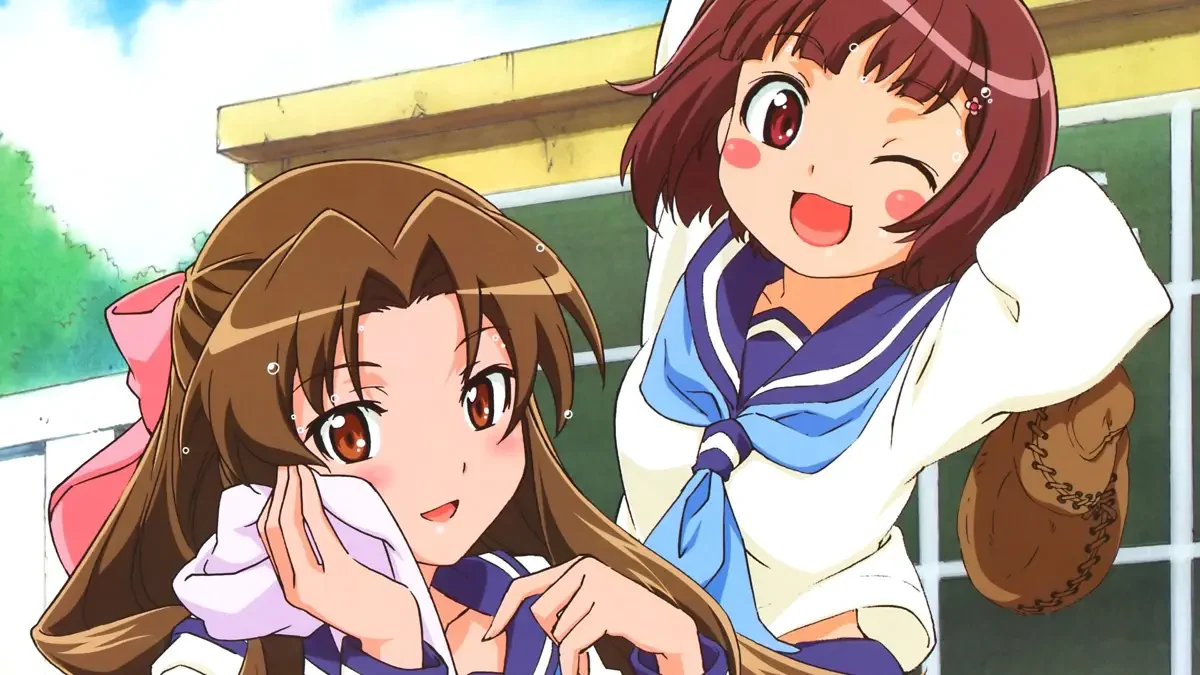
Image credits
Taisho Baseball Girls
©神楽坂淳/徳間書店・東邦星華桜花会
Image sourceSearching for a replacement leads Akiko towards the athletics club after Noriko suggests finding someone fast. Choosing a ninth player now requires considering what a particular pupil can bring to the positions Anna has assigned.
Even younger opponents can expose how much the Ouka-kai still has to learn. After a heavy defeat by primary-school children, Noe tells pitcher Akiko and catcher Koume to work as one. Their attempt to practise the closeness of a battery becomes an improvised newlywed routine, bringing the language of marriage into girls' efforts to coordinate a sport few around them expected them to play.
